
The 10 Best Vampire Films and TV Shows To Watch After ‘Sinners’

Ryan Coogler’s Sinners is shaping up to be one of the most impactful films of the year. While the vampire genre isn’t new, the film reinvents the iconic creature, infusing the film with a historical context that has often been left out of other interpretations. Vampire cinema has existed nearly as long as the medium itself, and it is so expensive that it can make it hard to single out which films (and television shows) to sink your teeth into next.
While the genre has generated cult and regular classics, there is an abundance of vampire media that has gone relatively unseen in a genre that is so expansive. So, without further ado, here are 10 of the best vampire films and TV shows to sink your teeth into if you’re craving more.
Midnight Mass (dir. Mike Flanagan)
Mike Flanagan’s Netflix series is unlike any other piece of vampire media that has come before it. Taking place on the isolated Crockett Island, the series follows its inhabitants when the arrival of a new priest, Father Paul Hill (Hamish Linklater), triggers strange happenings that begin to change their community forever. As the charismatic preacher begins to revive the faith of the people in the community, the appearance of a winged creature (which is not an angel!) threatens the lives of everyone on the island. The series blends vampire folklore with an examination of religion, propelling the vampire genre into uncharted territory. When the series comes to an end, it’s easy to consider Midnight Mass as the most terrifying and empathic of Flanagan’s work.
Ganja & Hess (dir. Bill Gunn)
When anthropologist Dr. Hess Green (Duane Jones) is stabbed by his assistant George (Bill Gunn) with an ancient ceremonial dagger, he is graced with immortality and an everlasting thirst for blood. When George’s wife Ganja (Marlene Clark) begins to search for her missing husband, she and the man he attempted to kill slowly become infatuated with each other. The film is one of the earliest examples of a subversion of the vampire genre, using it as a sprawling allegory for addiction. The striking cinematography, marred by Clark’s staggering performance, makes this film at times feel like an assault on the senses. Yet when it’s said and done, Ganja & Hess is unlike any other vampire film. It’s singular in its vision, and will go down in history as a pillar in shaping Black horror cinema and the vampire genre.
Byzantium (dir. Neil Jordan)
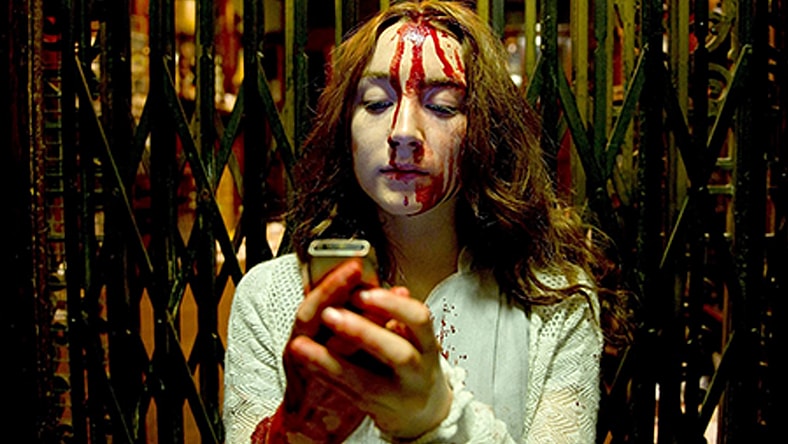
Although Neil Jordan is no stranger to the vampire genre after directing the film adaptation of Interview With the Vampire, this later film towers over his previous work. While most vampire media depicts these characters as wealthy, Jordan showcases two women who remain members of the lower class despite their immortality. This leads to a restlessness that isn’t often explored in films of Byzantium’s kind, and makes for one of the most languid vampire films of the century.
The film follows Ellanor, a woman whose vampirism has trapped her in the body of a young girl with aspirations to become a writer. The film follows her and her mother, Clara (Gemma Arterton), as the two walk the earth as women who have never truly been able to live the lives they desire. Byzantium is gorgeously shot, and its feminist themes are harnessed by Jordan’s deft camera work and both lead performances.
Humanist Vampire Seeking Consenting Suicidal Person (dir. Ariane Louis-Seize)
This French-Canadian film follows Sasha (Sara Montpetit), a teenage vampire who defies her family’s traditions and takes a moral stance against killing humans. When her family decides they can’t support her anymore, she’s forced to find someone to feed on or succumb to her hunger. She quickly meets Paul (Félix-Antoine Bénard), a suicidal teenage boy who seems like a willing victim who could solve Sasha’s moral dilemma. The film is a bold examination of the act of feeding and killing that most pieces of media focusing on vampires don’t engage with. Mixing comedy and horror tropes, Humanist Vampire Seeking Consenting Suicidal Person is a fascinating examination of the vampire condition, which mirrors humanity’s own questions of assisted dying and just how far our empathy can go.
Only Lovers Left Alive (dir. Jim Jarmusch)
After decades of dramas, Jim Jarmusch took his turn at horror, focusing on the reclusive Adam (Tom Hiddleston) and Eve (Tilda Swinton). The two live in separate cities, finally becoming companions again to mull over their fascinations with humanity and their aversions to their own creation and lives. Like most vampire films, Jarmusch explores death, but it is more so an intense exploration of the beauties of life. The characters, like most modern humans, feel displaced and relay this to each other over various introspective evenings. An air of postponement permeates the air of the film, making it hard not to soak up each word relayed from Hiddleston and Swinton’s mouths, and appreciate the slowness and often methodical aspects of human life.
The Twilight Saga: New Moon (dir. Chris Weitz)
The Twilight saga is undeniably the most well-known piece of vampire media in the last two decades. Its popularity isn’t for naught: the books and films portrayed an earnest longing for humanity as well as immortality that struck a chord with young people who desired more from their lives. The franchise’s sophomore feature is undeniably the best. The perpetual loneliness of immortality comes to a head when Edward Cullen (Robert Pattinson) breaks up with Bella Swan (Kristen Stewart) and sends her down a path of self-destruction.
From a stellar soundtrack featuring Lykke Li and Bon Iver, to a dreary cinematography that rivals the most celebrated indie films of the time, The Twilight Saga: New Moon is a mood piece that explores teenagers fascination with death, while also forcing its characters to explore the things in life that give them will to live.
Near Dark (dir. Kathryn Bigelow)
Pre-Point Break, Kathryn Bigelow was a shining light of genre cinema. The director’s vampire romance follows star-crossed lovers Caleb Colton (Adrian Pasdar) and Mae (Jenny Wright), who bite him on the neck before taking off into the night. Succumbing to the sun later, Caleb is forced to take refuge with Mae’s volatile coven, who want nothing to do with the newborn vampire. One part horror and one part western, Bigelow expertly blends genres to craft a thrilling examination of the modern threats that threaten to expose immortality. Caleb and Mae’s love story is marred by horrific acts of brutality, but along the way, the new vampire’s penchant for peace guides his lover on a path she never thought she was capable of walking.
Let the Right One In (dir. Tomas Alfredson)
This adaptation of John Ajvide Lindqvist’s novel of the same name centers on the young and troubled Oskar (Kåre Hedebrant), who befriends the forever young vampire Eli (Lina Leandersson). An exploration of childhood innocence being lost, the two bond over their states of Otherness, harnessed by Eli’s thirst for blood and violence. The film’s bleak setting is the backdrop of the isolation both characters face, yet its harshness often gives way to a sweet (though at times nauseating) companionship. As the two grow more reliant on each other for survival, they must examine their connection, which threatens to destroy both of their lives. It’s unnerving and chilling to the bone, yet there’s a sweetness here that feels unlike most films with vampires at their center.
Interview with the Vampire
AMC’s adaptation of Anne Rice’s iconic novels isn’t just great vampire television, it is one of the best television series of the century. Created by playwright Rolin Jones, the series follows Louis de Pointe du Lac (Jacob Anderson), a Black queer brothel owner in 1910s New Orleans, who is given the gift of immortality by the alluring Lestat de Lioncourt (Sam Reid). The series elevated Rice’s work by making her queer themes more prevalent than they were in the film adaptation, blending rich themes of shame and guilt with the figure of the vampire.
Anderson and Reid share a heady chemistry throughout the first two seasons, backed by terrific supporting performances from Delainey Hayles, Assad Zaman, and Eric Bogosian. The series is rich with a surmounting amount of care and dedication on all fronts, making it a unique piece of vampire media—one that will withstand the test of time as an audacious and bold examination of immortality.
A Girl Walks Home Alone at Night (dir. Ana Lily Amirpour)
Ana Lily Amirpour’s debut feature film is as confident as it is meaningful, focusing on an unnamed vampire (Sheila Vand) who takes the form of a young woman. Her appearance allows her to walk amongst humans unnoticed, gliding by passersby on a skateboard like an impenetrable ghostly figure. Set in the fictional Iranian “Bad City”, she hunts for food and eventually meets Arash (Arash Marandi), a man who struggles to cope with being the sole caretaker of his heroin-addicted father. While evading the harassment of a drug dealer, the woman becomes a heroic figure to Arash, and the two are increasingly drawn to each other. The film’s black-and-white cinematography mirrors the loneliness both characters feel, yet it also captivates the viewer unlike any other vampire film. A Girl Walks Home Alone at Night walks the tightrope between modernity and ancient folklore, making for a subversive exploration of gender and community.
Categorized:Editorials