
Daniel Cubias’ ‘The Amityville Horror’ Recontextualizes a Classic [DieDieBooks Review]

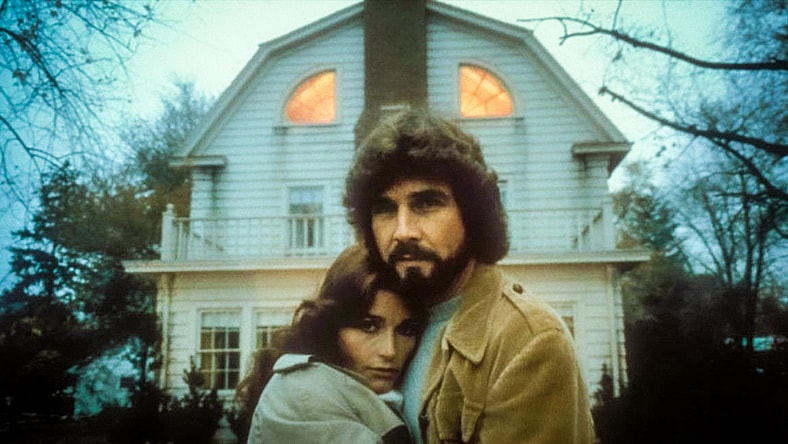
Truth is an interesting thing. For as much as we try to collectively arrive at our own internal truths, it’s all just puffing, an interpretation that never quite aligns with the mystic reality we’ll never see in full. While that might sound hippy-dippy, it’s core to Daniel Cubias’ The Amityville Horror, the latest in DieDieBooks’ ever-expanding collection of glorious, probing reassessments of classic (and obscure) horror texts.

Much like several other releases in the collection, Cubias’ take on The Amityville Horror follows a chronological structure. It’s a beat-by-beat synopsis of the movie, peppered with Cubias’ personal and broader cultural insights throughout. It starts, as the best of them do, with an anecdote of being scared to death. Cubias, left home alone, caught an ill-advised television premiere. As a young boy raised Catholic who also saw The Amityville Horror too young, both Cubias and I were reasonably traumatized. The Devil was real, he was in New York, and he might just as easily come for us next.
That, of course, wasn’t true, which begs the equally valid question: was anything about the haunting at 112 Ocean Avenue true? That’s the thrust of Cubias’ interest, interrogating such contemporary phenomena as Haunted Person Syndrome and advances in our understanding of trauma to get to the core of whatever the truth, or the closest possible version, might be.

Now, it’s not simple evasion that Cubias doesn’t really have an answer to. Remember, the truth is elusive. Complicating matters are the deaths of several key persons involved, including The Amityville Horror novel scribe Jay Anson. Throughout the years, all main players have offered conflicting accounts, often paradoxically supporting and denouncing the claims at the same time, and since few are available to interview again, Cubias is left working through contemporaneous written and televised accounts.
Despite the constraints, he does a remarkable job of envisioning a family in crisis. The Lutz family was haunted long before their move to Amityville, and whether paranormal or not, something was poised to tear that family apart, one way or another. It’s often insightful, regularly traumatic—including a section on the widely-reported child abuse occurring within the Lutz household—and more importantly, heartbreaking. Almost by design, like some kind of paranormal divination. The Lutz family, like so many other families during the decade, was living a lie. There was no truth to their American Dream, and whether ghosts or foreclosure, it didn’t matter. Everything was a threat.

Toward the end, Cubias does arrive at one version of the truth, or at least one I suspect we’ll all be willing to accept. Far as it might stray from reality, The Amityville Horror was a groundbreaking horror movie. It rewrote the rules of independent cinema and rewrote the rules of the haunted house. While it might seem shoddy and slow by today’s standards, there’s real artistry behind the scenes. Whether it’s real or not maybe misses the point, Cubias contends. We’ll never quite know, and interrogating further risks deepening real wounds for real people. It’s one helluva scary movie, though, especially on a dark and stormy night.
You can purchase a copy of Daniel Cubias’ The Amityville Horror from DieDieBooks here.
Categorized:Reviews