
Revisiting ‘Faces of Death,’ the Most Controversial Mondo Movie Ever

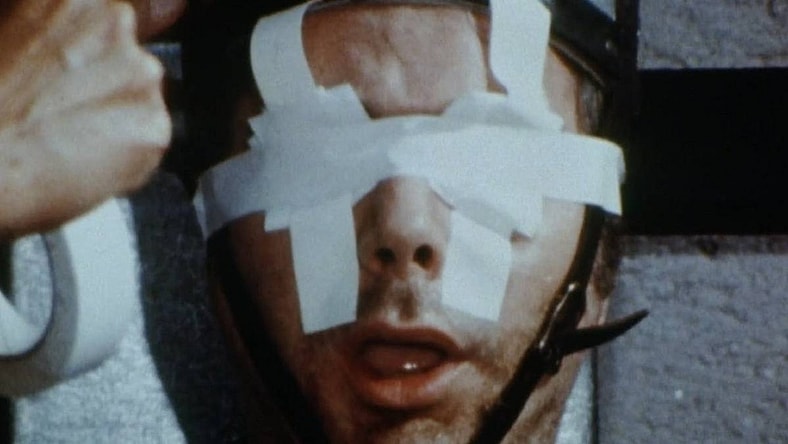
Daniel Goldhaber (50 States of Fright) is about to hit the horror world with a modern reimagining of one of the most controversial horror movies ever made, 1978’s Faces of Death. The upcoming film of the same name, hitting theaters on April 10, explores the original concept — is it real or not? It finds a woman responsible for filtering offensive social media content who discovers a group that might actually be re-enacting the bloody events seen in the original film.
So dust off that VHS player, lock your doors, and prepare to be completely horrified—because we’re diving into 1978’s gruesome shockumentary, Faces of Death! And please be warned, the original Faces of Death is not for the faint of heart.
One of the most infamous films in cinematic history, it took the ’80s VHS underworld by storm. With the tagline “banned in 46 countries” and marketed as a documentary showcasing real footage of human and animal deaths, this micro-budgeted film grossed a staggering $40 million (an estimated $200 million in today’s dollars). It paved the way for American Mondo horror, with Faces of Death becoming a cultural phenomenon.
Written and directed by John Alan Schwartz, credited under the pseudonyms “Conan Le Cilaire” and “Alan Black,” respectively, Faces of Death (1978) was heavily inspired by and is considered a prime example of the Mondo Film horror genre. Mondo films, which peaked in the 1960s-70s, are shock-driven pseudo-documentaries focusing on death and taboo subjects, incorporating staged scenes presented as authentic.
For many years, it was rumored to contain actual, illegal “snuff” footage. This was long before shock sites like Rotten.com or disturbing social media videos offered real dead bodies, gore, and violent acts to the masses. Faces of Death filled a curiosity gap at the time about the forbidden and unseen. But is the original film as horrifying as its reputation insists, or is there more to the story?
The original film is executed like a traditional documentary, lightly following pathologist Francis B. Gröss, played by Michael Carr, who suffers from recurring nightmares that give him an interest in the transitional periods of life and death. The only issue is that Gröss’s experience as a pathologist has severely desensitized him, which I guess gives him the need to share these violent vignettes with an audience.
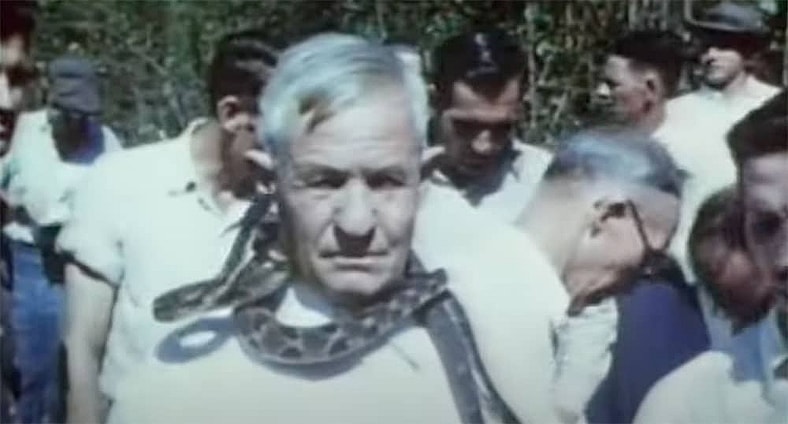
If that sounds like enough story structure to satisfy, and you can handle real unsettling footage, such as a woman tragically jumping off a building to her death or grisly scenes of monkey brains being eaten in a restaurant (fake, but the monkey’s distressed reactions were real and quite upsetting to witness), then you might enjoy it.
Heavily speculated about for years, the film seems to vary from 60% real footage augmented with 40% horrific special-effects sequences. The real footage comes mainly from grotesque archival scenes initially sourced by news stations, medical research, and war clips. This helped hide the staged scenes, leading to a general audience belief that the entire film was real. Special effects artist Douglas White studied and referenced crime scene photos and news footage to ensure the staged film scenes he helped create looked authentic.
Without the modern luxuries of social media readily available for self-promotion or streaming, Faces of Death went on to attain urban-legend and rite-of-passage status for both its discomfort factors and obscure nature after being banned and restricted—often regarded as a ‘holy grail’ and mythologized by subgenre VHS enthusiasts.
Despite scenes being faked in classic Mondo style, critics viciously condemned the film, sparking ongoing debates to this day about the ethical boundaries as to where a documentary ends and exploitation begins. Gaining a reputation as a “forbidden film” only increased its cult status. Fans, horror fans especially, appreciate it precisely because of its groundbreaking presentation of extreme, gruesome imagery. Its allure seems to lie in its morbid curiosity, shock value, and status as a pioneering “snuff-style” film that influenced horror and left audiences shocked.
Schwartz, who passed away in 2019, once explained in UK’s Cine-Excess, “What made Faces of Death so controversial was that people couldn’t tell the difference between fact and fiction in the film. We took real life footage and combined it with recreated footage so that we were fabricating reality before ‘found footage’ became a trend decades later. I’m still asked to do interviews, nationally and internationally—at least in countries that have lifted the ban. Oftentimes, people ask: how do you create a cult classic? The answer is simple: you can’t! You need luck and the nerve of not being afraid to go all the way. And I do mean all the way.”
We tracked down someone who actually worked with Schwartz on Faces of Death 2. Filmmaker John Penney tells Dread, “We recreated a violent motorcycle gang shootout—I actually helped gob on the fake blood—we even dressed our office secretary as a biker. Everything was totally staged, but audiences thought it was real.”
Faces of Death feels like what a serial killer would screen on a first date, but that’s beside the point since it’s gained a loyal cult following and spawned several gruesome sequels. With a modern lens, it’s tough to condemn the original film outright. While it’s not my personal cup of tea, I do respect the originality and punk defiance of the original.
And at this point, I’ve unwillingly been shown the same, or worse, on Instagram. As an animal person, those brutal animal cruelty scenes, while often faked, felt gratuitous and hit me in the core. So this horror gal will stick with her supernatural terrors, evil clowns, and creature features any day. Honestly, I look forward to never watching the original again!
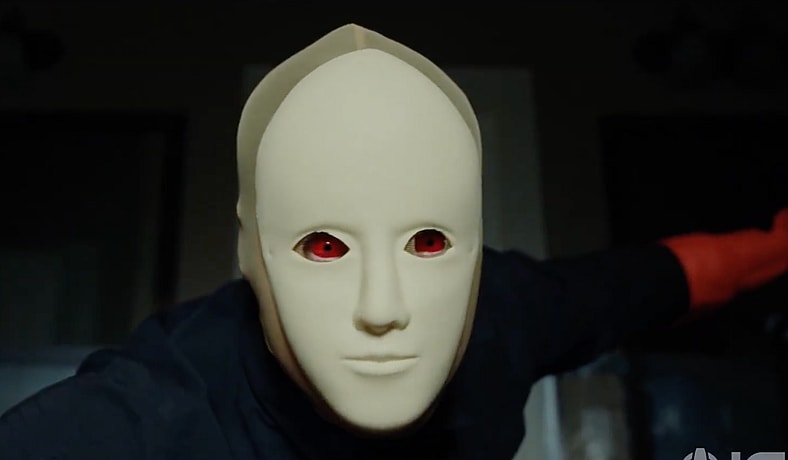
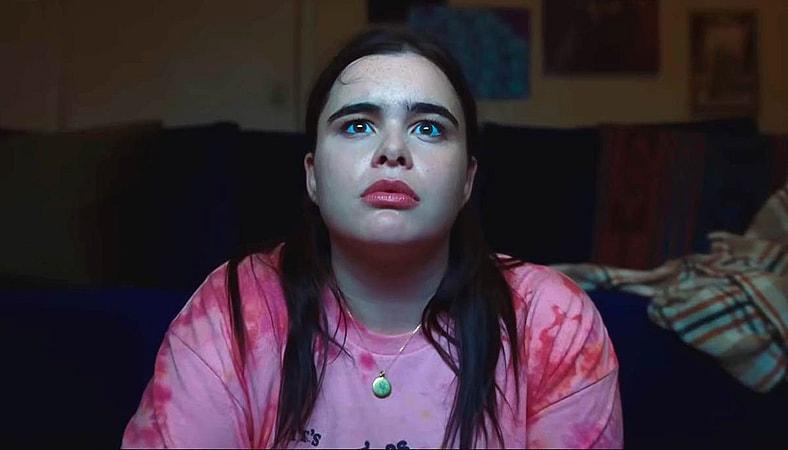
But I do look forward to grabbing some popcorn and catching Goldhaber’s seemingly more palatable 2026 modern twist with his upcoming Faces of Death starring Dacre Montgomery (Stranger Things), Barbie Ferreira (Euphoria), and Josie Totah (Saved by the Bell). With frightening new trailers rolling out almost daily, my curiosity is peaking.
I’m a huge fan of Dacre Montgomery, by the way. His characters Jeremy in Better Watch Out and Billy in Stranger Things showcase his acting range and dynamic physicality. I expect nothing less from his new deadly role in Faces of Death.
Make sure to follow Dread Central and Anastasia Elfman across social media to catch my companion Faces of Death video!
Categorized:Editorials