
‘The Texas Chainsaw Massacre: The Beginning’ Is One of the Smartest Horror Films I’ve Seen

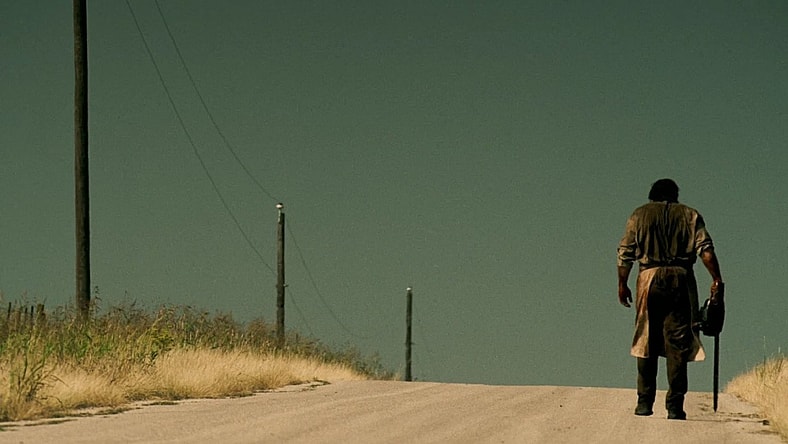
When The Texas Chainsaw Massacre: The Beginning was released 20 years ago, it was widely considered a flop, grossing less than half of the previous movie in the series ($52 million versus $107 million) and being almost universally panned with descriptions like “oppressive, mean-spirited and sadistic” (Time Out) and “putridly written, directed and acted” (Rolling Stone).
I would never have predicted any of this when director Jonathan Liebesman and screenwriter Sheldon Turner rocked me to my core in a cold upstate New York movie theater two decades ago. Like my friends, I was (a) scared and (b) compelled to think critically about important social issues. I’d anticipated the first response; it was the second that left me so shaken.
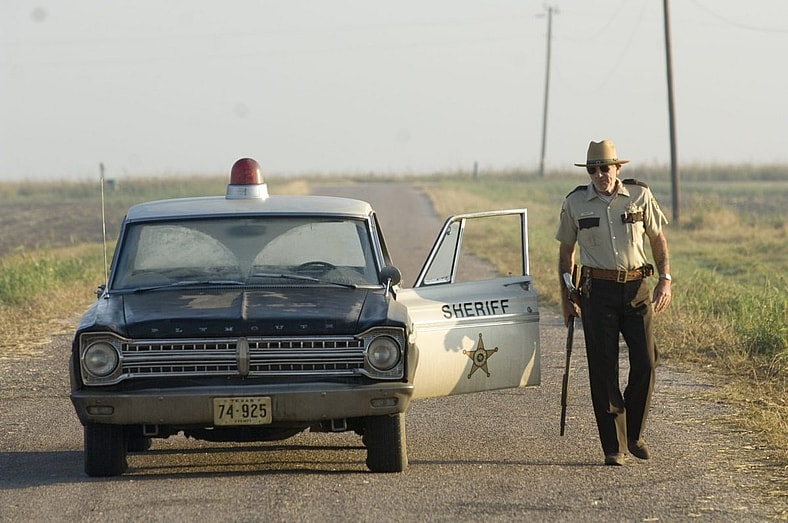
Like all great works of art, The Texas Chainsaw Massacre: The Beginning is full of details to which fans repeatedly return. Because this is a prequel, it inevitably includes callbacks to The Texas Chainsaw Massacre, the 2003 hit that spawned this 2006 follow-up. We learn the backstories of the villainous Hewitt family, including the hulking flayer Thomas Hewitt/Leatherface (Andrew Bryniarski), insane pervert Charles Hewitt/Sheriff Hoyt (the late R. Lee Ermey), cruel matriarch Luda Mae Hewitt (Marietta Marich/Allison Marich), and the Tea Lady (Kathy Lamkin). Each actor gets at least one moment to shine; Ermey, especially, perhaps because of his iconic Golden Globe-nominated turn as an equally volatile drill sergeant in 1987’s Full Metal Jacket, is given many. Just as refreshingly, little details are filled in and explained, from the origins of one character’s mind games about the proper placement of corpses in cars to lingering curiosities about why characters from the first installment were missing certain body parts.
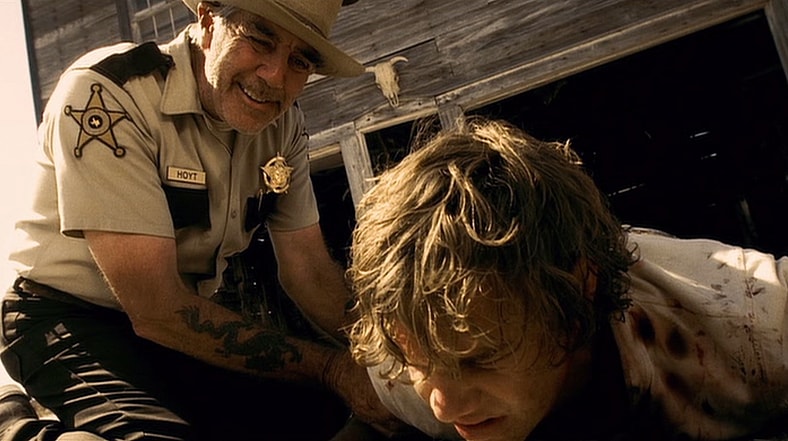
These things make The Texas Chainsaw Massacre: The Beginning, like its antecedent, feel real and lived-in. Even characters with no dialogue, like Bryniarski, seem three-dimensional; when he glowers ominously at one moment, then dashes forward with terrifying speed and violence, the so-called “animal” nevertheless exudes a palpable wounded rage. (Bryniarski similarly showed off his capacity to play wounded thugs in 1992’s Batman Returns.) In short, because of the “sadistic” characters derided by critics for having been brought to life in all of their “putrid” humanity, The Texas Chainsaw Massacre: The Beginning plays in the projector of one’s mind long after they’ve stopped watching it.
From here, we get why the film is so scary. The key to its success isn’t in the gore and blood effects, although there are buckets upon buckets of both. It rests in how, just like in the 2003 original, this story shows innocent people (Jordana Brewster’s Chrissie, Taylor Handley’s Dean, Matt Bomer’s Eric, and Diora Baird’s Bailey) fall into the Hewitts’ grip. Once there, they are toyed with like prey caught between a cat’s paws. Like the 1974 horror classic The Texas Chain Saw Massacre, on which both of these are based, the filmmakers understand viscerally that the deepest horror exists not in physical pain or the sight of viscera, but in being exposed to every layer of evil within any given human’s soul.
This brings us to what I hadn’t expected when I was among the (for studio Platinum Dunes disappointingly few) filmgoers to see this in a theater: That The Texas Chainsaw Massacre: The Beginning is smart.
Take my favorite scene from any installment in the series. Ermey has just committed his first civilian murder and murdered an obnoxious state trooper (Lew Temple), then assumed his identity as Sheriff Hoyt. As he serves the deceased lawman’s body to his demented family to feed their bodies and souls alike, he offers this explanation for his actions.
“That slaughterhouse meant more to this town than them fools will ever know. Just a matter of time now before this town’s overrun by bikers and hippies,” Hewitt/Hoyt points out. “Most families have already fled.”
Taking advantage of the fact that it is set initially in 1939 and then primarily in 1969, The Texas Chainsaw Massacre: The Beginning explores a number of the political and social issues of that era, many of which have parallels to the present. The Vietnam War and the irrational hyper-patriotism it bred; the ongoing problem of layoffs and economic uncertainty; ableism as shown toward Leatherface for his physical and mental disability; sexual repression and its conjoined tendency toward reactionary moralizing; and beyond.
What makes The Texas Chainsaw Massacre: The Beginning so intelligent, then, is precisely what its detractors mistook for failure. The cruelty isn’t gratuitous — it’s diagnostic. The Hewitt family, repugnant as they are, functions as a dark mirror held up to a specific American moment: the tail end of the 1960s, when the country’s contradictions — its wars abroad and its rot at home — were becoming impossible to ignore.
As I contemplate how President Donald Trump and the MAGA movement he created have transformed America, I think of how all these themes are relevant now. We are waging irrational and immoral wars in Venezuela and Iran (at the time of this writing, at least), just as we did in Vietnam in 1969 and in Iraq when the movie was released in 2006. We continue to struggle with an economy that lays off workers without providing them with a new and comfortable economic home, similar to the anguish of the Hewitts in 1969 and countless American families in 2006 and 2026. As a disabled man myself, I can personally attest that the bigotry which Leatherface dealt with in this movie persisted without break to the present. Lastly, the toxic masculinity brought to the fore in this film is everywhere in the brazenly misogynistic ethos of the Trump era.
Yet one doesn’t need to limit the film’s relevance to our moment in time. Long after Trump and his goons are out of power, the raw evil put on display in The Texas Chainsaw Massacre: The Beginning will continue to lurk among us, in all the manifestations put on display here. It’s why I return to these films’ peak moments, again and again, whenever I seek true horror.
Categorized:Editorials