
‘Diabolic’ Is Old-School Religious Horror, For Better or Worse [Review]

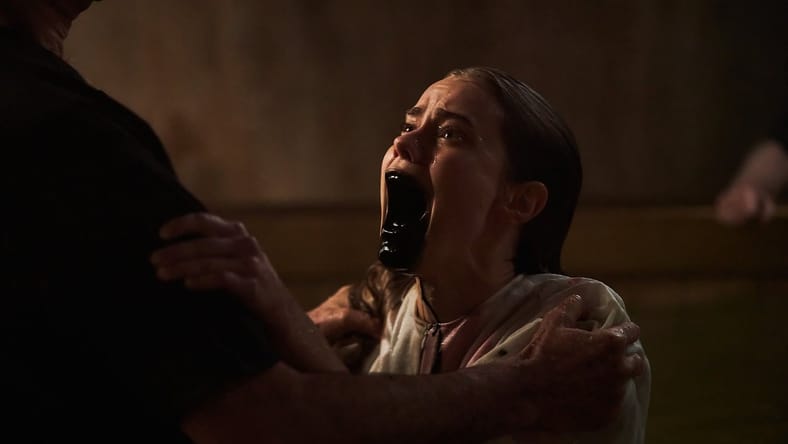
Faith-based horror endures because, well… faith-based horror endures. One day, we’ll grapple with the lasting damage nightmares of Hellfire inflicted upon me as a kid—where are my fellow Catholic Hell House attendees at—but until then, we’ll have to use horror and religious trauma as our springboard to reconciliation. This go-round, filmmaker Daniel J. Philips and co-writers Mike Harding and Ticia Madsen center FLDS (The Fundamentalist Church of Jesus Christ of Latter-Day Saints) in Diabolic. It’s diabolical indeed.
It’s also, despite the credo in opening credits, very loosely inspired by true events. I have little doubt that the obscure beliefs of FLDS are as damning as Diabolic suggests, though later plot developments almost assuredly never happened. Diabolic at least tries, harder than most, to keep the ostensible veil of reality intact as long as possible. Despite a synopsis that promises witches and curses, Diabolic is slow, only really going full horror in its final act.
Elise (Elizabeth Cullen) has the world’s worst therapist. Grappling with fragmented memories and regular breakdowns after her excommunication from a FLDS community, her ostensible “doctor” suggests she revisit the scene of the crime, get high on some local roots, and access the inner chambers of her trauma. Inadequate mental healthcare is the real horror, no?
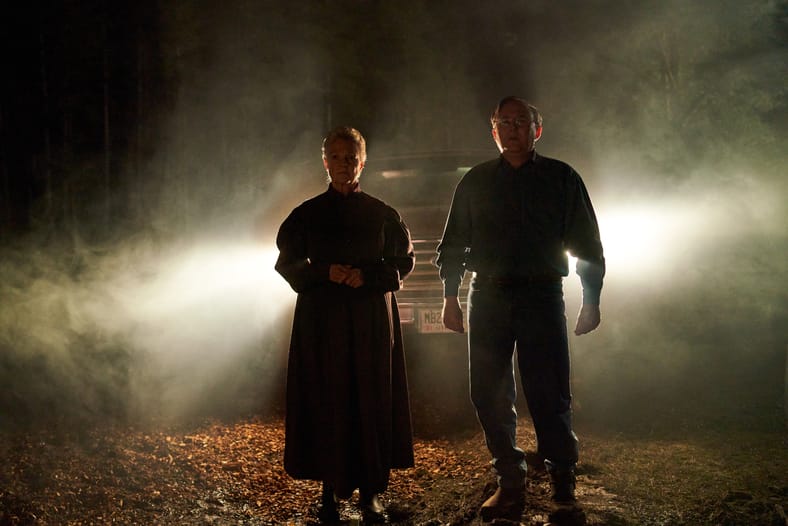
Along for the ride are Elise’s boyfriend, Adam (John Kim), and friend, Gwen (Mia Challis). Adam is going to get high with her, and Gwen is there to make sure nothing untoward occurs as the two hallucinate pink elephants on parade alongside rural fundamentalist Mormons, played with striking conviction by Dennis Coard and Genevieve Mooy.
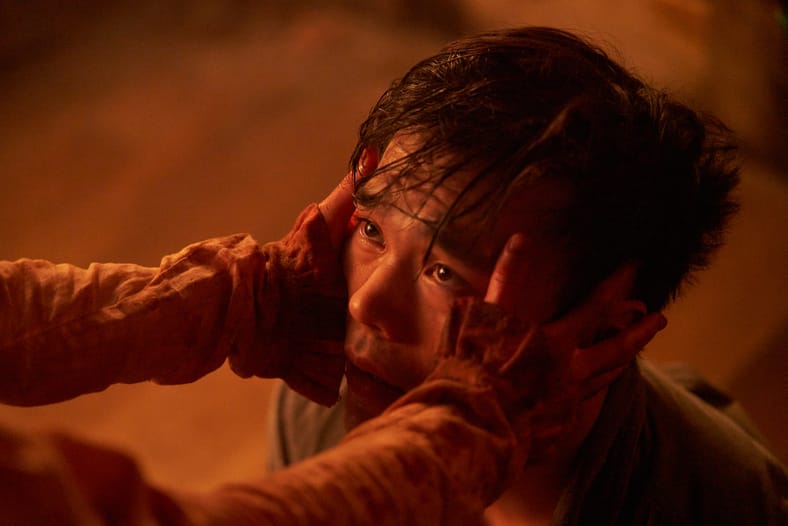
The terror is often metaphysical as past and present blur. Elise is largely unreliable, though never meaningfully enough to really sell the uncertainty. We know something is amiss long before Elise does, even if the worst secret she thinks is buried within her heart is a dalliance with another woman. Often, Philips milks tension from the austere compound, the leads’ isolation, and the many, many bizarre practices of FLDS. It works. I was more uncomfortable hearing Elise recount the practice of proxy baptisms for the dead than I was when she purged black goop ala The Exorcist.
The finale, not unlike last year’s Witchboard, is all smashed brains and practical possession. It’s intentionally B-movie oriented, full camp on a low budget that injects genuine thrill into Diabolic’s otherwise very serious, very trauma alignment. Yet, while it delivers the requisite genre thrills, it also locks Diabolic into a very strange space. Heretic and The First Omen, two of my favorite religious horror movies these past several years, interrogated faith. More than a mere backdrop, religious trauma was the point.
Diabolic postures as such until it really doesn’t. FLDS is a Halloween mask. A prop. It’s scary, but it’s also just there. The possession yarn could easily have worked with any religion, or none at all, and Diabolic wouldn’t be all that different. Come for the jumps and jolts, but don’t expect any deep probing of religious trauma. Diabolic would rather spill brains than challenge them.
-
Diabolic
Summary
Daniel J. Philips’ Diabolic is slow-burn religious horror that eventually finds its monstrous (and gory) footing.