
The Future of Cinema Was Standing in Line for ‘Backrooms’


I went to the movie theater last night to see Backrooms.
I go to the movies every Thursday with my dad. It’s part of our routine. It’s fun. After doing it for years, I’ve developed a pretty good sense of the demographics that show up for different movies. You start to notice trends. You start to notice who’s coming, who’s not, and how audiences change over time.
And I saw something shocking last night. What’s funny is that I didn’t even realize it was missing until I saw it.
Standing in line were groups of kids who looked somewhere between 12 and 18 years old. Middle school kids. High school kids. Groups of friends hanging out and excited to see Backrooms. Not families bringing their kids. Not parents deciding what everyone was going to watch. Actual groups of young people choosing to spend their night at a movie theater.
I haven’t seen that in a long time.
There was a period, maybe five or ten years ago, when teenagers would show up to movies wearing blankets and pajamas and treat moviegoing like a social event. Those kids are all in their twenties now. What I saw last night was different. These were younger kids. The generation that has spent most of its life being taught that movies come to them, not the other way around.
And it made me realize something. The problem facing the movie industry isn’t necessarily today. It’s what’s coming. Because for years we’ve trained audiences to stop going to movie theaters, and we’ve been especially effective at training younger audiences.
The studios and giant media corporations became obsessed with streaming services and subscription models. In the process, they cannibalized their own business and trained an entire generation that movies aren’t events anymore. They’re content. Just wait a few weeks, and it’ll show up on whatever service you’re already paying for.
Think about the message we’ve been sending people. Don’t rush out to see the next big movie because it’ll be available on PVOD or Digital soon. Don’t worry about taking the family to see the next animated film because it’ll hit Disney+ before you know it. We’ve spent years teaching audiences that staying home is the smarter option and then acting surprised when fewer people show up.
As Steven Spielberg recently pointed out while discussing the importance of theatrical exhibition, people like feeling like they’re part of an event. That’s why they go to theaters. And let’s be honest, going to the movies isn’t cheap anymore. Tickets can cost $15 to $20 before you factor in popcorn, drinks, dinner, parking, or whatever else comes with the night. You’re asking a lot from people. But you’re also giving them something special: a room full of strangers all experiencing the same thing at the same time.
When I was growing up, movies worked differently. If Jurassic Park came out, you knew you might not be able to watch it again for a year. If Terminator 2 came out, you saw it multiple times because there was no guarantee you’d have access to it anytime soon. Eventually, those movies would hit video stores. Then you’d have to fight everyone else trying to rent them. Then, months later, you might finally get the chance to own them… used. The entire system encouraged repeat viewings and rewarded audience enthusiasm.
Today’s system does the opposite. We’re taking customers who used to see a movie in theaters, rent it later, and eventually buy it, and turning them into customers who watch it once on a streaming service and move on. Then we wonder why the economics don’t work.
Which brings me back to Backrooms.
The teenagers I saw last night have spent most of their lives being taught that movies eventually appear on a streaming service, YouTube, TikTok, Plex, or wherever else they’re consuming media. Before they were old enough to make theatrical decisions on their own, they learned that everything comes home eventually. They weren’t taught to go to the movies.
That’s why seeing those crowds felt so strange. It was like seeing a bald eagle fly over my house. I didn’t even realize I hadn’t been seeing it until suddenly it was there.
And that’s why I think people are underestimating what’s happening right now. Kane Parsons is bringing kids into theaters. Curry Barker is bringing kids into theaters. Creators like Markiplier with Iron Lung are bringing kids into theaters. They’re not just making successful movies. They’re rebuilding theatrical habits and introducing a generation to the idea that movies can still be events worth leaving the house for.
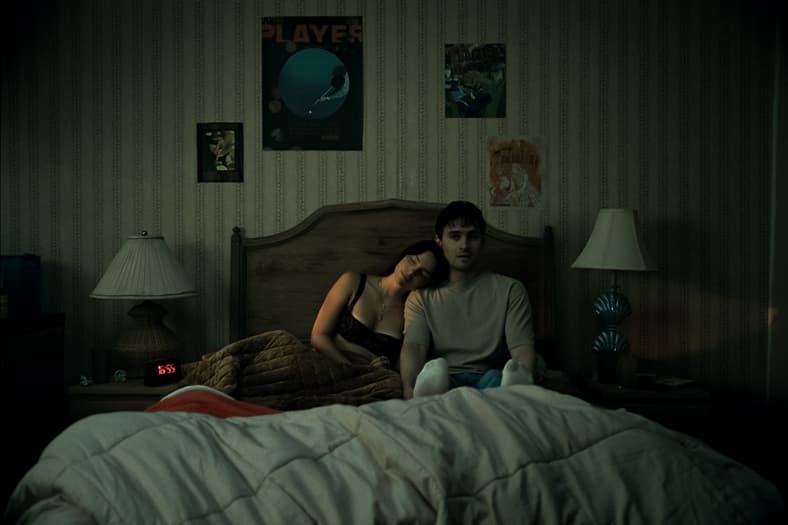
The question isn’t whether Backrooms and Obsession are successful. The question is what Hollywood does next.
How do you get a 15-year-old who loved Backrooms to show up for the next Evil Dead movie? How do you get them interested in the next Insidious sequel? How do you bridge the gap between a generation raised on YouTube creators and a generation raised on traditional studio franchises?
That’s not my job to solve. But it’s impossible to look at what’s happening right now and not see an opportunity. For years, the industry has complained that younger audiences no longer go to theaters. Now they’re showing up. They’re buying tickets. They’re paying attention.
The studios should be studying every second of it.
Because this isn’t really about Backrooms. It’s not really about Obsession. It’s about whether Hollywood recognizes that it has been handed something it has spent years claiming it couldn’t find: a new generation of moviegoers.
For the first time in a long time, they’re walking through the front doors of movie theaters on their own. The industry should be doing everything it can to make sure they come back. My fear is that five years from now we’ll be having this same conversation all over again, wondering where the audience went.
The answer will be the same as it always is.
They were here.
Hollywood just failed to keep them.

Categorized:Box Office Editorials News